Publish Date: August 11, 2025
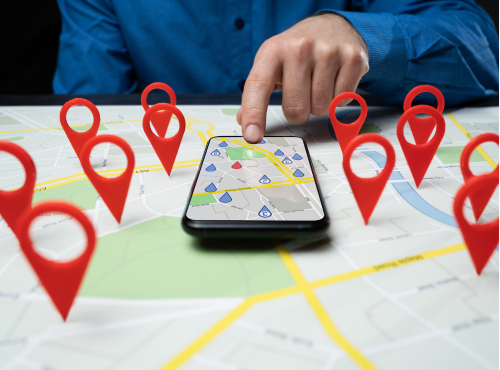
Picture this: a potential customer in Surfers Paradise pulls out their phone, searches for a service you offer, and within seconds, your business pops up on their screen. That moment, the click, the call, the sale often starts with a local directory listings.
But here is the catch. Every time you list your business online, you are sharing information. Not just the basics like your address, phone number, or trading hours, but sometimes more than you realise. If that information is mishandled, the cost to your reputation and compliance could outweigh any missed sale.
Data privacy is now a trust factor that shapes how customers see you. For Gold Coast businesses, knowing how to balance visibility with privacy can mean the difference between thriving and facing unnecessary risk.
Why Data Privacy Matters for Local Listings
Data privacy is about more than keeping hackers out. It is about ensuring the personal and business information you share is accurate, secure, and used ethically. Customers are increasingly privacy conscious, and they will click away if they sense their information or yours is at risk.
When you add your business to an online directory, you give that platform permission to display your details publicly. This may include:
-
Business name and ABN/ACN
-
Contact details (phone, email, address)
-
Website links and social media handles
-
Photos and videos
-
Reviews and customer feedback
If the directory lacks strong privacy safeguards, or you overshare, you could end up with outdated details, spam calls, or even unauthorised data scraping.
Privacy and Trust in the Gold Coast Market
The Gold Coast is a competitive business ecosystem. Tourism, hospitality, retail, and professional services thrive here, and locals value authenticity. Visitors depend on accurate online information when making quick decisions about where to eat, shop, or book services.
That makes your listing more than just a digital billboard. It is a trust contract. Accurate, privacy conscious details strengthen your reputation. Outdated or incorrect information does the opposite, eroding trust instantly.
Common Data Privacy Risks
1. Data Scraping
Automated bots can collect information from directories, leading to spam emails, robocalls, or even identity theft.
2. Outdated or Inaccurate Information
An old phone number or address can cause lost leads and customer frustration.
3. Unverified Listings
If anyone can edit your details, competitors or bad actors may insert false information.
4. Over Sharing
Publishing private emails or personal mobile numbers can create unnecessary security risks.
5. Weak Directory Policies
Some platforms sell or share your data without your full awareness.
How to List Your Business Safely
Balancing privacy with visibility is key. Here is how you can do it effectively.
Choose Trusted Directories
Opt for platforms with clear privacy policies and good reputations. Popular local directories allow you to control what is shown publicly.
Use Business Only Contacts
Never mix personal and professional details. Create dedicated channels for customer inquiries.
Regularly Audit Your Listings
Check your listings every few months to ensure no unauthorised changes have been made.
Limit Sensitive Information
Share only what customers need to contact and trust you. Avoid unnecessary disclosures.
Enable Two Factor Authentication
If available, use it. This prevents unauthorised edits to your listing.
Reviews and User Generated Content
Customer reviews boost visibility, influence decisions, and improve search rankings. But they also introduce privacy concerns.
-
A review may unintentionally reveal personal information
-
Fake reviews can harm your reputation
-
Responses must be professional without revealing customer data
Monitoring and moderating reviews shows you value both your privacy and your customers’ privacy.
Data Privacy Laws That Apply to Gold Coast Businesses
Australia’s Privacy Act 1988 and the Australian Privacy Principles (APPs) set out rules for handling personal information. Small businesses may also be covered if they:
-
Turn over more than 3 million annually
-
Trade in personal information
-
Provide health services
-
Contract with the Australian Government
The importance of these laws is reinforced by public attitudes. According to the 2023 Australian Community Attitudes to Privacy Survey, 82 percent of Australians want to protect their personal information, but 57 percent are unsure how. This means businesses that take privacy seriously not only meet legal requirements but also win customer trust.
If you are listing your business online, you should:
-
Post a privacy policy on your website
-
Be transparent about what customer data you collect and how it is used
-
Keep customer details secure and delete them when no longer needed
SEO Benefits of Privacy Conscious Listings
Privacy and SEO are linked. Search engines favour listings that are:
-
Consistent across platforms
-
Kept accurate and up to date
-
Hosted on reputable, secure directories
Accurate details improve trust and visibility, directly influencing rankings in local search results.
Real World Example
A boutique café in Broadbeach uses a dedicated business phone and email for bookings instead of personal contacts. They update their hours regularly and actively manage reviews. By listing on trusted platforms, they rank higher in local searches and avoid the flood of spam that affects many small businesses.
Future Proofing Your Listings
Voice search and AI powered search are growing. When someone asks their phone, “Find a plumber near me” or “Where is the best hair salon on the Gold Coast?”, AI pulls from trusted, accurate sources. If your listing is stale or inconsistent, you may not show up at all.
Key Takeaways
-
Privacy builds trust and influences customer choice
-
Choose platforms carefully, not all directories are equal
-
Keep your information consistent and up to date
-
Use business only contact details
-
Monitor and moderate reviews professionally
Data privacy and local listings go hand in hand. Your presence on the Gold Coast Online Directory should not only put your business in front of the right people but also reassure customers that you take their trust seriously.
By managing what you share and where you share it, you protect both your reputation and your bottom line.
Frequently Asked Questions
How do I list my business in a Gold Coast online directory?
Submit your business to reputable directories such as Google Business Profile or local Gold Coast platforms. Provide accurate details and use a business phone and email.
Are listings in Gold Coast directories free?
Some are free while others offer paid placements or premium features. Many businesses start with free options and upgrade as they see results.
What information should I include?
Add your business name, address, phone, website, hours, and a short description of services. Avoid personal details.
How often should I update my listing?
At least every three months, or immediately if contact details, hours, or services change.
Can outdated listings hurt my SEO?
Yes. Inconsistent or outdated information confuses search engines and customers, leading to lost visibility and leads.