Publish Date: June 4, 2020
Selling an unwanted, damaged, or scrap vehicle raises a common question for many Australian car owners: what actually happens to the car after it leaves your driveway? Once a vehicle is sold, it enters a structured process involving inspection, deregistration, dismantling, recycling, and lawful disposal, all designed to recover value and reduce environmental harm. Understanding this process helps you make informed decisions and ensures peace of mind, so let’s walk through each stage clearly and logically, starting from the moment your car is collected.
Initial Collection And Ownership Transfer
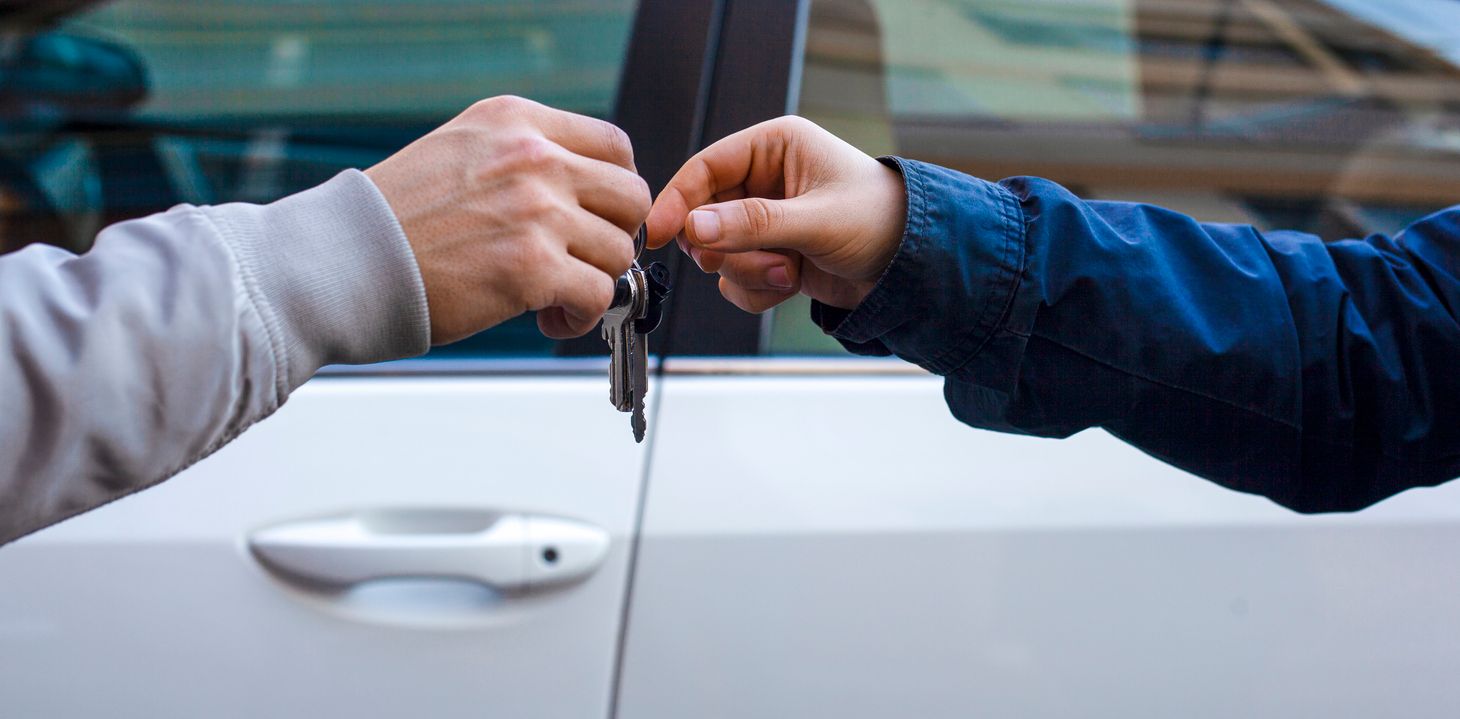
After you agree to sell your vehicle, the first step is physical collection and legal ownership transfer. The buyer collects the vehicle using a tow truck or car carrier, especially if the car is unregistered or not roadworthy. At this point, ownership transfers from you to the buyer, which removes your legal responsibility for the vehicle. In Australia, this step includes notifying your state road authority, such as VicRoads or Transport for NSW, that the vehicle has been sold. This protects you from future fines, tolls, or liabilities. Once the paperwork is complete, the vehicle enters the buyer’s system, leading directly into inspection and classification.
Vehicle Inspection And Assessment
The next stage is a detailed inspection to determine the vehicle’s condition and remaining value. Inspectors assess the engine, transmission, body panels, electronics, interior components, and overall structural integrity. Vehicles fall into three clear categories at this stage: repairable vehicles that can be resold, parts vehicles suitable for dismantling, and end-of-life vehicles destined for recycling. This classification decides the exact path your car follows next. For example, a damaged car with a working engine often becomes a parts vehicle, while a heavily rusted or fire-damaged car moves straight to material recycling. This assessment ensures no usable resource goes to waste.
Deregistration And Compliance Checks
Before further processing, the vehicle undergoes deregistration if it is still registered. Deregistration formally removes the car from the road system and confirms it cannot legally be driven again without reapproval. This step includes checking the Vehicle Identification Number (VIN) against national databases to confirm there are no outstanding finance obligations or theft records. Compliance checks protect both buyers and sellers and maintain integrity across Australia’s vehicle disposal industry. Once cleared, the vehicle is free to move into dismantling or resale channels.
Dismantling And Parts Recovery
Dismantling is one of the most important stages in a vehicle’s life after sale, particularly in regions with active vehicle recycling networks such as the scrap cars Gold Coast market. Skilled technicians remove reusable components carefully to avoid damage, ensuring parts remain suitable for resale. Commonly recovered parts include engines, gearboxes, alternators, starter motors, radiators, doors, mirrors, alloy wheels, and electronic modules. These parts are cleaned, tested, and stored for future use. In Australia, the reuse of car parts reduces demand for new manufacturing, which lowers raw material extraction and emissions. This stage maximises the car’s remaining value and directly supports the circular economy, leading naturally into metal and material recycling.
Metal Separation And Recycling Process
Once all reusable parts are removed, the remaining vehicle shell moves to metal processing. The shell is crushed and sent through shredders that break it into smaller pieces. Advanced sorting systems separate steel, aluminium, copper, and other metals using magnets and density-based methods. According to Australian recycling industry data, over 80% of a standard passenger vehicle is recyclable by weight, with steel being the most recovered material. These metals return to manufacturing supply chains, where they become new building materials, appliances, or vehicle components. This process significantly reduces landfill waste and conserves natural resources.
Fluid Removal And Environmental Safety
Before crushing, all hazardous fluids are removed to prevent environmental contamination. This includes engine oil, brake fluid, transmission fluid, coolant, fuel, and air-conditioning refrigerants. Each fluid type follows a regulated disposal or recycling method in line with Australian environmental standards. For example, used engine oil is refined and reused, while refrigerants are captured to prevent ozone damage. Proper fluid handling protects soil, waterways, and air quality, making this stage essential for responsible vehicle disposal and environmental protection.
What Happens To Repairable Vehicles
Not every sold vehicle ends its life as scrap. Some vehicles with minor mechanical issues or cosmetic damage enter repair and resale pathways. These cars undergo repairs, safety inspections, and roadworthy certification before returning to the market. Repairable vehicles often serve as affordable transport options for buyers seeking budget-friendly cars. This reuse extends the vehicle’s lifespan and reduces the environmental footprint associated with producing new cars, linking sustainability directly to economic value.
Role Of Licensed Car Buyers In The Process
Licensed car buyers play a central role in managing each stage efficiently and legally, particularly in regions where demand for end-of-life vehicle services is high, such as the cash for cars in Sunshine Coast market. Companies such as A1 Wreckers operate within Australian regulations to ensure proper documentation, safe dismantling, and environmentally responsible recycling. From an independent observer’s perspective, businesses like A1 Wreckers stand out for handling everything from collection to final recycling under one system, which simplifies the process for sellers and ensures compliance without unnecessary delays. Their structured approach reflects how professional operators add value beyond simple vehicle removal while supporting local vehicle recycling needs.
Learn more : https://www.a1wreckers.com.au/
How Recycling Benefits Australian Communities
Vehicle recycling supports local economies and environmental goals across Australia. Recovered metals reduce reliance on mining, which lowers land disruption and energy use. The parts resale market provides affordable components for mechanics and car owners, reducing repair costs. Recycling facilities also create jobs in logistics, dismantling, processing, and quality control. These combined benefits show how selling an unwanted vehicle contributes to broader community and sustainability outcomes, not just personal convenience.
Common Myths About Selling A Vehicle
Several myths surround what happens after selling a car. One common belief is that all sold cars end up in landfill, which is incorrect given Australia’s high recycling rates. Another myth suggests sellers remain responsible for the vehicle after sale, which is untrue once ownership transfer is completed properly. Understanding the real process helps sellers feel confident and informed, encouraging responsible disposal rather than abandonment.
Timeline From Sale To Final Processing
The entire process follows a clear timeline. Collection and ownership transfer occur within one day. Inspection and deregistration usually take one to two days. Parts dismantling happens over three to seven days, depending on vehicle complexity. Metal recycling and material processing complete within two weeks. This structured timeline ensures efficiency and traceability at every stage, providing clarity for sellers curious about where their vehicle goes.
Final Thoughts On Selling Your Vehicle
Selling a vehicle marks the beginning of a well-regulated process focused on safety, reuse, and sustainability. From inspection and deregistration to dismantling and recycling, each step recovers value and reduces environmental impact. Understanding this journey helps you choose reputable buyers and ensures your vehicle contributes positively even after it leaves your ownership.