Publish Date: March 4, 2025
The Gold Coast, a sunny paradise, is no stranger to the raw power of nature. With Tropical Cyclone Alfred bearing down, residents must shift from relaxation to readiness. This isn’t just about weathering a storm; it’s about safeguarding lives, homes, and livelihoods. This guide provides a comprehensive roadmap for Gold Coast residents to navigate the impending cyclone, ensuring preparedness and resilience.

1. Understanding the Risks of Tropical Cyclone Alfred: Knowing Your Enemy
Tropical cyclones, with their swirling winds and torrential downpours, are formidable forces. Alfred’s projected path poses significant threats to the Gold Coast. Anticipate strong, potentially destructive winds capable of tearing roofs and uprooting trees. Heavy rainfall, a hallmark of these systems, will likely lead to widespread flooding, especially in low-lying areas. Understanding the specific risks in your neighborhood is crucial. Check local weather forecasts and council advisories regularly. This isn’t about fear-mongering; it’s about informed action.
2. Securing Your Home and Outdoor Areas: Fortifying Your Fortress
Your home is your sanctuary, and protecting it is paramount. Begin by securing all outdoor items. Furniture, toys, gardening tools – anything that can become a projectile in high winds – should be brought indoors or firmly anchored. Lock all windows and doors, reinforcing them if possible. Vehicles should be parked under cover, away from trees or power lines that could fall. If you live in a high-rise, move away from windows during the peak of the storm. These simple steps can significantly reduce the potential for damage.
3. Emergency Kit Essentials: Your Survival Arsenal
In a crisis, self-sufficiency is key. Assemble an emergency kit with essential supplies. Torches and spare batteries are vital for navigating power outages. A comprehensive first aid kit can address minor injuries. Stock up on a three-day supply of non-perishable food and bottled water. A battery-powered radio will keep you informed of official updates when other communication channels fail. Don’t forget essential medications, personal hygiene items, and copies of important documents. This kit isn’t just a collection of items; it’s your lifeline during the storm.
4. Pool Maintenance Before and After the Cyclone: Safeguarding Your Oasis
Gold Coast residents often enjoy the luxury of a backyard pool. However, a cyclone can turn this oasis into a liability. Before the storm, lower the water level to prevent overflow and potential flooding. Add extra chlorine to combat the influx of debris and rainwater, which can quickly turn the water green. After the storm, carefully remove any debris and check the pool’s structure for damage. Proper maintenance is essential for preventing long-term issues.
5. Managing Mould Risks: Combating the Silent Invader
Excess moisture, a byproduct of heavy rainfall, creates ideal conditions for mould growth. Mould can cause respiratory problems and damage property. To prevent its insidious spread, ensure proper ventilation after the storm. Use dehumidifiers to remove excess moisture. Clean and dry any wet surfaces immediately. Consider using mould-resistant paints and sealants in vulnerable areas. Regular inspections and prompt action are crucial for keeping mould at bay.
6. Flood Preparedness for Low-Lying Areas: Navigating the Rising Waters
Residents in low-lying areas are particularly vulnerable to flooding. Take proactive measures to protect your property. Sandbags, available from local council depots, can create barriers against rising water. Elevate valuable items off the floor and move them to higher ground. Stay informed about local council flood warnings and evacuation orders. Be prepared to evacuate if necessary. Your safety is paramount.
7. Reporting Storm-Related Damage: Documenting the Impact
After the storm, assess your property for damage. If you encounter fallen power lines, gas leaks, or other hazardous situations, contact emergency services immediately. For non-life-threatening damage, contact the State Emergency Service (SES). If you are a renter, report property damage through your property management platform, or the maintenance request page. Detailed documentation, including photos and videos, is essential for insurance claims and repairs.
8. Staying Informed with Emergency Alerts: Your Information Lifeline
In a rapidly evolving situation, timely information is crucial. Sign up for severe weather warnings from the Bureau of Meteorology and your local council. The Australian Emergency Alert System sends text messages and voice messages to mobile phones in affected areas. Ensure your contact details are up to date. Stay tuned to local radio and television broadcasts for official updates. Reliable information empowers you to make informed decisions.
9. Checking Your Insurance Coverage: Your Financial Safety Net
Before the storm hits, review your insurance policies, particularly your contents insurance. Ensure you have adequate coverage for potential damage from wind, rain, and flooding. Understand your policy’s exclusions and limitations. Contact your insurer to clarify any doubts. Insurance provides a crucial financial safety net, but only if you are adequately covered.
10. Disaster Management and Community Support: United in Resilience
The aftermath of a cyclone can be challenging, but you are not alone. Numerous resources are available to support your recovery. Contact your local council, community support organizations, and disaster relief agencies for assistance. Financial assistance, temporary housing, and emotional support are available to those in need. Lean on your community; collective resilience is a powerful force.
Tropical Cyclone Alfred presents a significant challenge, but with careful preparation and proactive measures, Gold Coast residents can weather the storm and emerge stronger. By understanding the risks, securing your home, assembling an emergency kit, and staying informed, you can protect yourself and your loved ones. Remember, preparation is not just about surviving the storm; it’s about building resilience and ensuring a swift recovery. Stay safe, stay informed, and stay strong.
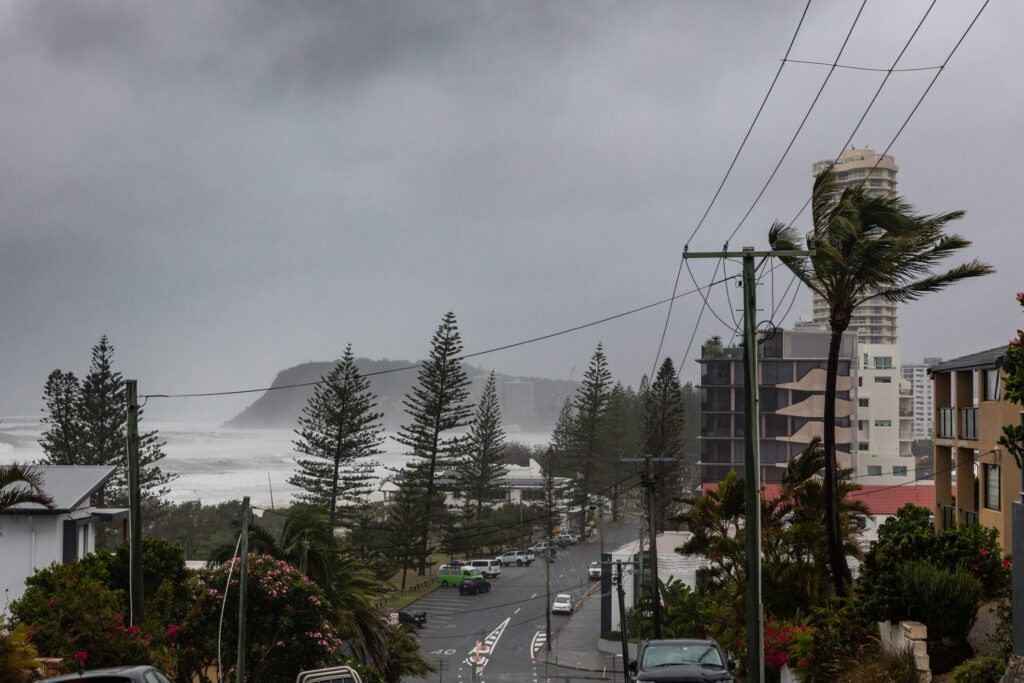
Preparing for Cyclone Alfred. Wild storms lashing the Gold Coast, Queensland, Australia
Here’s a FAQ section and a list of useful links to assist on preparing for Tropical Cyclone Alfred on the Gold Coast.
Frequently Asked Questions (FAQ)
Q: Where can I find the latest weather updates for Tropical Cyclone Alfred? A: The Bureau of Meteorology (BOM) website and app provide the most accurate and up-to-date weather forecasts and warnings.
Q: What should I do if my property is flooded? A: If your property is flooded, prioritize your safety. Move to higher ground and avoid walking or driving through floodwaters. Contact the SES for assistance if needed.
Q: How do I prepare my pool for a cyclone? A: Lower the water level, add extra chlorine, and secure any loose pool equipment. After the storm, remove debris and check for damage.
Q: Where can I get sandbags for flood protection? A: Sandbags are typically available from your local Gold Coast City Council depots. Check the council’s website for specific locations and availability.
Q: What items should I include in my emergency kit? A: Include torches, batteries, a first aid kit, non-perishable food, bottled water, a battery-powered radio, medications, and copies of important documents.
Q: How can I prevent mould growth after heavy rain? A: Ensure proper ventilation, use dehumidifiers, clean and dry wet surfaces, and consider mould-resistant paints and sealants.
Q: Who should I contact to report storm-related damage? A: For life-threatening emergencies, call 000. For non-life-threatening damage, contact the State Emergency Service (SES). Report property damage to your property manager if you are renting.
Q: How do I sign up for emergency alerts? A: You can sign up for severe weather warnings from the Bureau of Meteorology and your local council. The Australian Emergency Alert System sends alerts to mobile phones in affected areas.
Q: What should I do if I lose power? A: Use torches or battery-powered lights. Avoid using candles due to fire risk. Turn off and unplug electrical appliances to prevent damage when power is restored.
Q: How can I check my insurance coverage? A: Review your insurance policies, particularly your contents insurance. Contact your insurer to clarify any doubts about coverage.
Source Link List
- Bureau of Meteorology (BOM):
- bom.gov.au (For official weather forecasts and warnings)
- Gold Coast City Council:
- goldcoast.qld.gov.au (For local council information, flood warnings, and sandbag locations)
- State Emergency Service (SES):
- ses.qld.gov.au (For emergency assistance and reporting storm damage)
- Australian Emergency Alert System:
- emergencyalert.gov.au (For information on emergency alerts)
- Queensland Government Disaster Management:
- disaster.qld.gov.au (For comprehensive disaster management information)
- Ready.gov.au (Australian Government):
- ready.gov.au (General emergency preparedness information)